ISO Certified

Turbocharger Overhauling vs. Replacement: Which Is the Better Option in 2025–2026?
- 3.December.2025
- Turbo Power
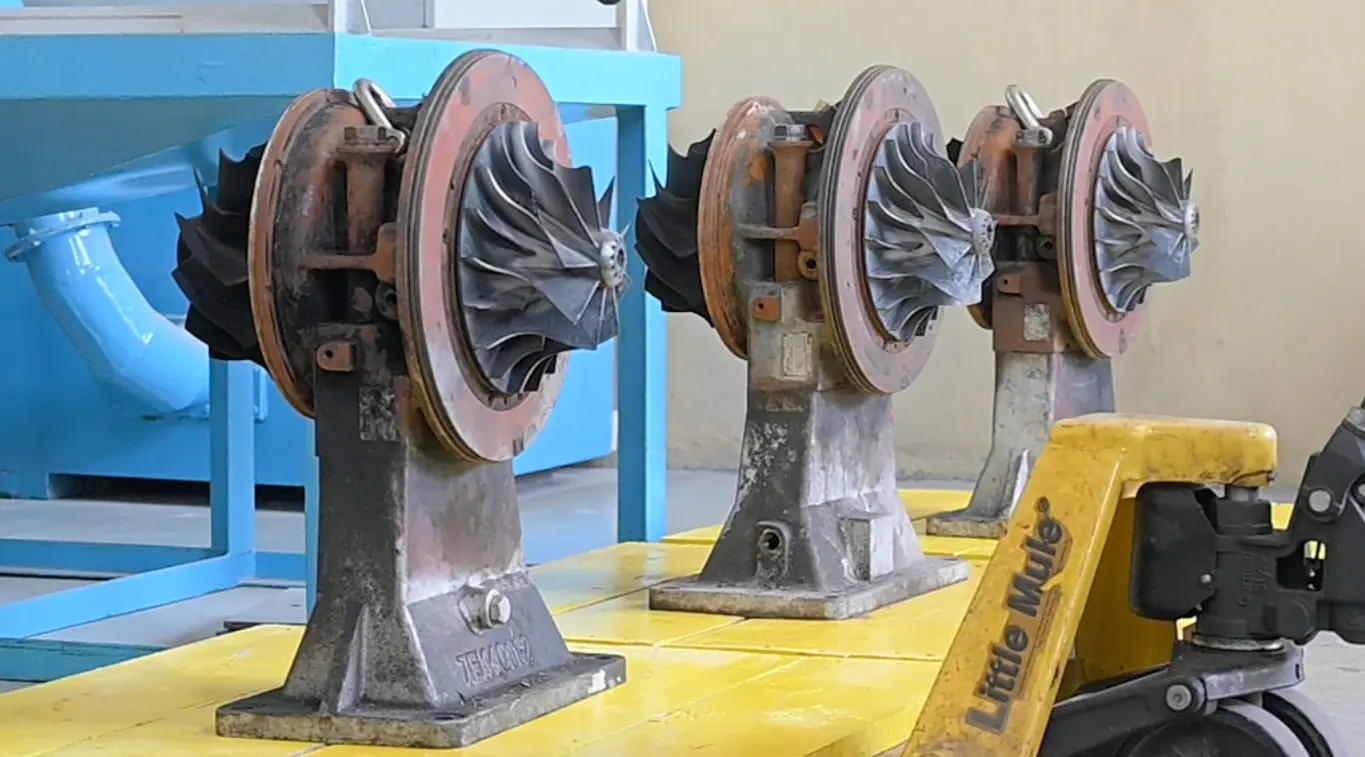
Turbochargers are the heartbeat of modern high-performance diesel and gas engines—powering marine vessels, industrial plants, and power generation systems worldwide. When performance begins to decline or early signs of wear appear, one key question arises:
Should you overhaul your existing turbocharger or replace it entirely?
This guide compares both options to help you make the most cost-effective, reliable, and future-ready decision for 2025 and beyond.
What Is Turbocharger Overhauling?
Turbocharger overhauling is a comprehensive restoration process involving full disassembly, precision inspection, cleaning, and replacement of worn or damaged components such as bearings, seals, and gaskets. The turbo core is then dynamically balanced, reassembled, and performance-tested to meet or exceed original OEM specifications.
Key Benefits of Overhauling
- Cost-effective: Typically far less expensive than purchasing a new turbocharger.
- Reduced downtime: Overhauls can often be completed faster than sourcing and installing a new unit.
- Extended service life: Restores your current turbocharger for continued, reliable performance.
- OEM integrity preserved: Maintains your equipment’s original specifications and compatibility.
When Overhauling Is the Right Choice
- No major structural damage to the housing, turbine, or compressor blades.
- Preventive maintenance has been routinely performed.
- The turbocharger has not exceeded OEM-recommended overhaul limits.
What Is Turbocharger Replacement?
Turbocharger replacement involves fitting a completely new unit—either an OEM-certified model or a high-quality aftermarket equivalent. While replacement comes with a higher initial cost, it ensures full restoration of performance, reliability, and efficiency.
Key Benefits of Replacement
- Ideal for severe damage: the best choice when housings, turbines, or compressor wheels are beyond repair.
- Manufacturer warranty coverage: Provides added assurance and operational confidence.
- Factory-level performance: Restores your system to its original, as-new efficiency.
- Minimized operational risk: Essential for time-critical applications where downtime is costly.
When Replacement Is the Best Option
- Cracked or heavily eroded housings, or damaged turbine/compressor wheels.
- Excessive shaft play or repeated mechanical failures.
- Spare parts are obsolete or unavailable for older turbocharger models.
Making the Right Choice in 2025–2026
Whether to overhaul or replace depends on the condition of your turbocharger, your operational priorities, and your long-term maintenance strategy. Overhauling offers outstanding value for well-maintained units, while replacement ensures reliability when damage or obsolescence is an issue.
At Turbo Power Engineering, our ex-OEM certified engineers provide detailed inspection and diagnostic reports to help you make the optimal decision. With decades of experience across marine, offshore, and land-based power applications, we deliver transparent, data-driven recommendations to enhance performance, minimize costs, and secure long-term equipment reliability.
.