ISO Certified

Why Turbocharger Reconditioning Is Vital for Offshore Oil Rigs in 2026
- 3.December.2025
- Turbo Power
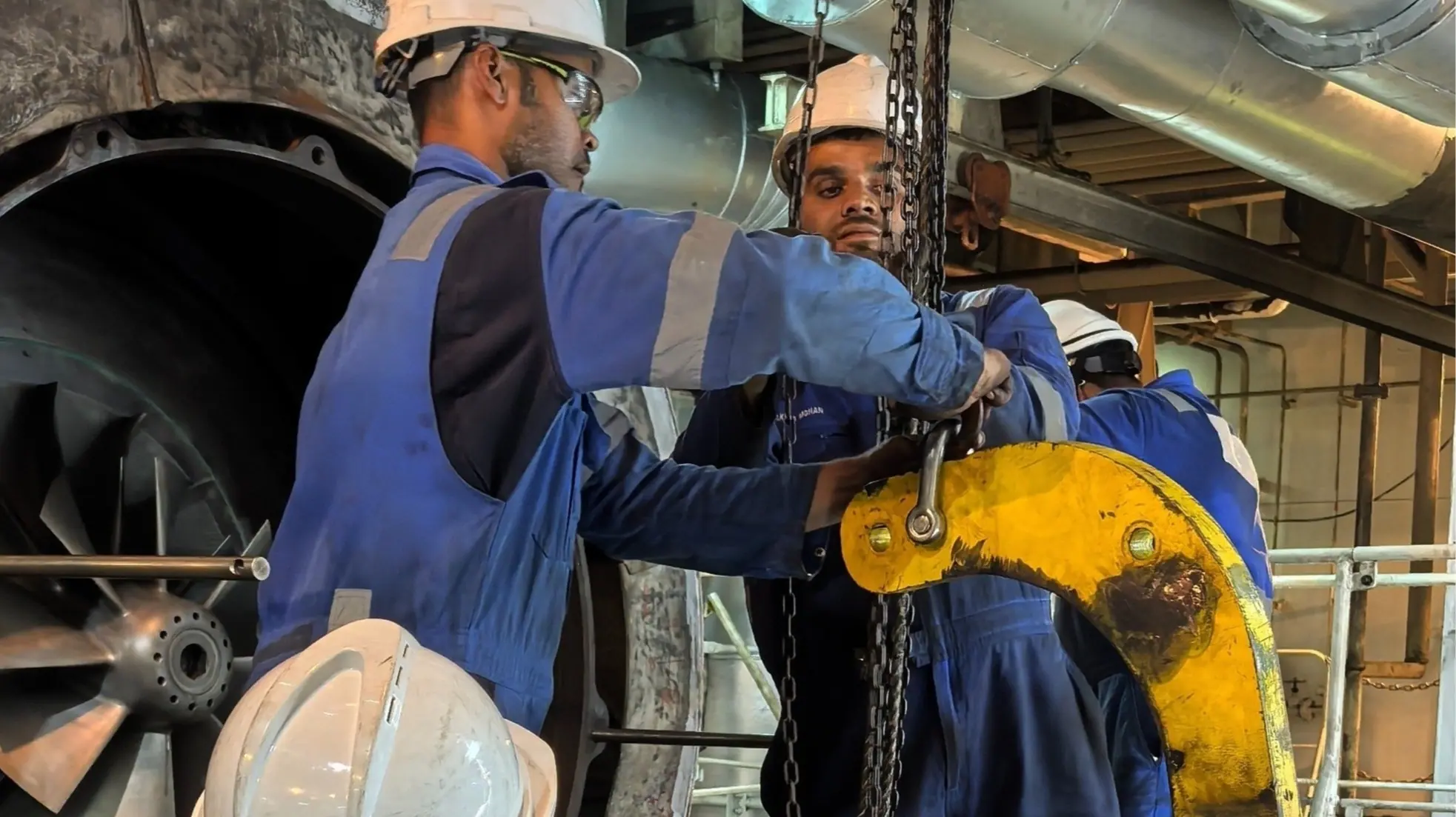
In offshore oil and gas operations, every second of uptime counts. Engines power not only production but also safety and sustainability — and at the heart of those engines lies a crucial component: the turbocharger.
Operating under extreme marine conditions, turbochargers endure salt exposure, constant vibration, and continuous heavy-duty cycles. Without proactive maintenance, even a minor imbalance can trigger costly downtime or regulatory non-compliance.
That’s why, in 2026, turbocharger reconditioning isn’t just an option - it’s a strategic imperative for offshore reliability, performance, and environmental compliance.
What Is Turbocharger Reconditioning?
Turbocharger reconditioning is the comprehensive restoration of a turbocharger to its original performance standard - without the cost and lead time of a full replacement.
The process includes:
- Precision inspection, cleaning, and disassembly
- Replacement of worn or damaged components using OEM-grade parts
- Dynamic rotor balancing for vibration-free operation
- Corrosion removal and surface restoration via glass bead blasting
- Reassembly and performance testing to ISO and OEM specifications
This method extends service life, optimizes engine efficiency, and reduces operating costs - making it the preferred choice for modern offshore fleets.
Key Benefits of Turbocharger Reconditioning Offshore
1. Reduced Downtime and Lower Operating Costs
Ordering and shipping new turbochargers offshore can take weeks. Reconditioning allows for rapid turnaround, on-site servicing, and minimal downtime—protecting productivity and saving thousands in lost output.
2. Enhanced Engine Efficiency
Reconditioning restores the turbocharger’s ability to deliver proper boost pressure, improving fuel combustion and energy output. A well-balanced, clean turbocharger can reduce fuel consumption by up to 10–12%, optimizing overall rig efficiency.
3. Extended Equipment Lifespan
By detecting and addressing wear early—such as micro-cracks, bearing wear, or seal degradation—reconditioning prevents full-system failures and extends the operational lifespan of both the turbo and the engine it powers.
4. Stricter 2026 Environmental Compliance
Offshore operators face tightening IMO Tier III and regional emission standards. A reconditioned turbocharger helps ensure cleaner combustion, lower NOx emissions, and sustained compliance with environmental regulations.
5. Reliability in Harsh Marine Environments
Salt air, moisture, and high mechanical loads corrode and degrade unprotected metal surfaces. Turbo Power Engineering’s advanced corrosion treatments and surface restoration processes reinforce resistance against marine-induced wear.
The Turbo Power Engineering Reconditioning Process
Turbo Power Engineering has established itself as a trusted offshore partner through precision-driven turbocharger reconditioning, supported by mobile workshops and rapid-response service teams.
Our reconditioning workflow includes:
- Detailed inspection and root-cause analysis
- Ultrasonic and chemical cleaning
- Dynamic rotor balancing using calibrated diagnostic equipment
- Replacement with OEM-certified components
- Corrosion treatment and surface restoration
- Final assembly and comprehensive performance testing
Every reconditioned unit is tested under load, ensuring it meets or exceeds original performance benchmarks.
Trusted Across Global Offshore Markets
From the Middle East and India to Southeast Asia and Africa, Turbo Power Engineering supports some of the world’s largest offshore operators.
Our 24/7 service availability, workshop-grade mobile units, and commitment to OEM precision make us the preferred partner for turbocharger maintenance in offshore environments where performance cannot fail.