ISO Certified

5 Red Flags of Marine Turbocharger Failure You Can’t Ignore.
- 9.May.2026
- Turbo Power
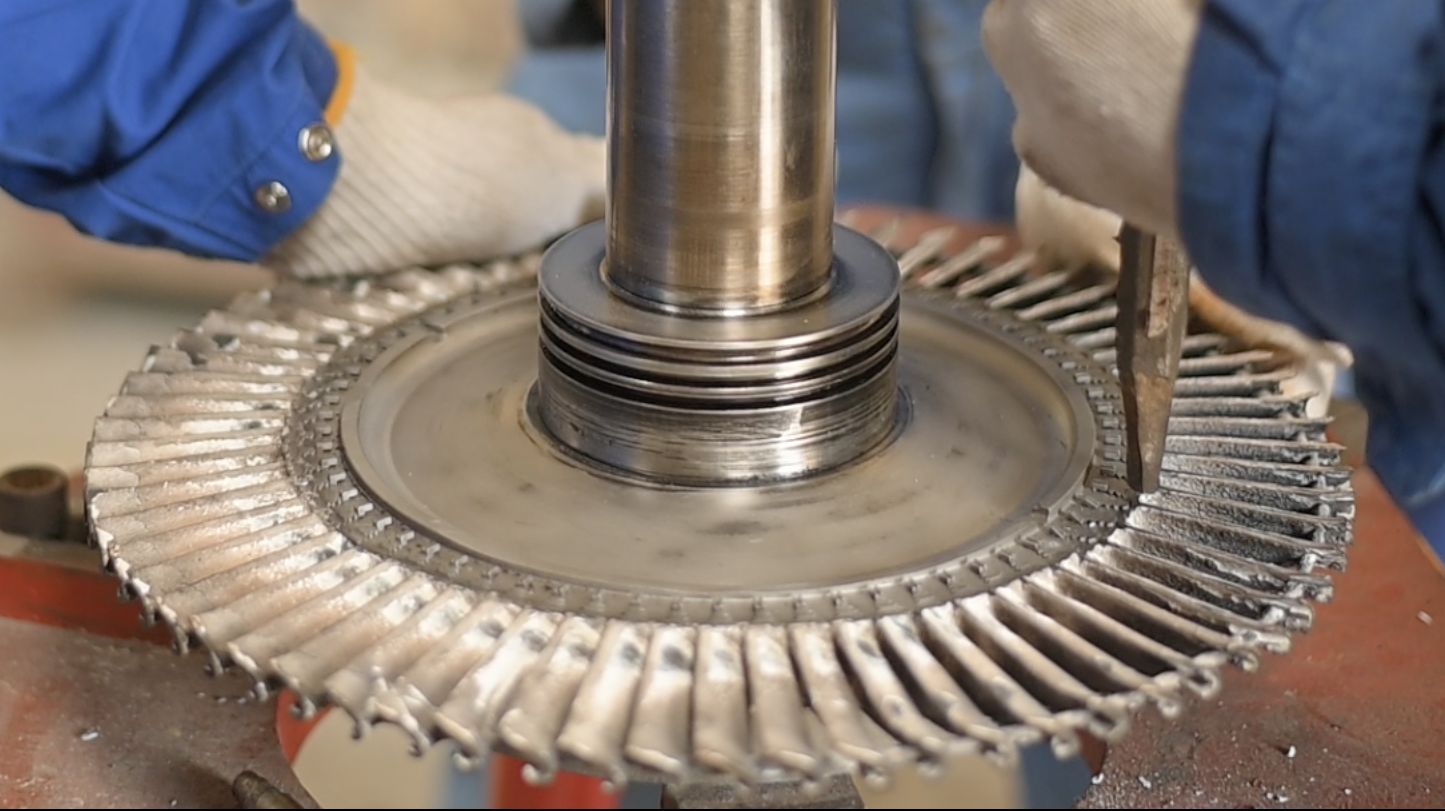
In marine and offshore operations, turbochargers don’t usually fail without warning. In most cases, there are clear signs subtle at first that something isn’t right.
The problem is, these early signals are often overlooked until they turn into costly breakdowns.
Based on field experience across marine and offshore environments, catching these warning signs early can prevent major failures, reduce downtime, and avoid expensive turbocharger repair or emergency intervention.
What are the warning signs of turbocharger failure?
- Excessive exhaust smoke
- Loss of engine power
- Unusual vibration or noise
- Increased fuel consumption
- Oil leakage or lubrication issues
Why Early Detection Matters
In global shipping operations, even a short period of downtime can impact schedules, fuel efficiency, and operational costs.
From what engineers commonly observe, most turbocharger failures develop gradually. Early detection allows planned maintenance instead of urgent emergency turbocharger repair, which is always more expensive and disruptive.
1. Excessive Exhaust Smoke
One of the first signs operators notice is abnormal exhaust smoke.
- Black smoke : incomplete combustion
- Blue smoke : oil burning
- White smoke : possible fuel or air imbalance
This often points to poor air supply caused by turbocharger inefficiency or internal damage.
Ignoring this sign can quickly lead to performance loss and increased fuel consumption.
2. Loss of Engine Power
A drop in engine performance is another clear indicator.
When the turbocharger isn’t supplying enough compressed air:
- Combustion becomes inefficient
- Engine output decreases
- Load handling becomes unstable
In many cases, this is linked to blade fouling, air restriction, or internal wear.
3. Unusual Vibration or Noise
Unusual sounds or increased vibration should never be ignored.
Operators may notice:
- Whistling or grinding noise
- Sudden increase in vibration levels
- Irregular rotational behavior
Technical Tip:
A vibration increase above normal baseline levels is often an early sign of rotor imbalance or bearing wear and should be inspected immediately.
If left unchecked, this can lead to complete mechanical failure.
4. Increased Fuel Consumption
A less obvious but important sign is higher fuel usage.
When a turbocharger isn’t operating efficiently:
- Air supply drops
- Fuel combustion becomes inefficient
- Engine consumes more fuel for the same output
Over time, this can significantly increase operating costs, especially in large marine fleets.
5. Oil Leakage or Lubrication Issues
Lubrication plays a critical role in turbocharger performance.
Common warning signs include:
- Oil leakage around the turbocharger
- Reduced oil pressure
- Oil contamination
From real world experience, poor lubrication is one of the leading causes of turbocharger failure. It can result in overheating, bearing damage, and shaft seizure if not addressed early.
What Causes These Issues?
In most marine and offshore operations, these red flags are linked to:
- Contaminated fuel or air intake
- Poor maintenance practices
- Delayed inspections
- Component wear over time
This is why regular turbocharger inspection service UAE and global maintenance support are essential.
Preventing Turbocharger Failure
Early detection is important, but prevention is even better.
Operators can reduce failure risks by:
- Conducting regular inspections
- Monitoring vibration and temperature
- Maintaining proper lubrication
- Using high-quality spare parts
- Adopting condition-based maintenance (CBM)
Modern vessels are increasingly using real-time monitoring systems to detect issues before they become critical.
Global Marine Turbocharger Services
For operators across UAE, Oman, and global offshore locations, professional support plays a key role in maintaining performance.
Turbo Power Engineering provides:
- Marine turbocharger repair
- Turbocharger overhaul and reconditioning
- On-site turbocharger service UAE
- Emergency turbocharger repair
- Global offshore support
With rapid response and experienced technicians, they help minimize downtime and ensure reliable operations worldwide.
About Turbo Power Engineering
Turbo Power Engineering is a UAE-based company specializing in turbocharger maintenance, repair, and overhauling for marine, offshore, and industrial sectors.
With operations in UAE, Oman, India, and Singapore, the company delivers:
- Certified technical expertise
- Genuine spare parts
- Fast response services
- ISO-certified quality standards
Their global presence ensures consistent support for critical operations, wherever required.
When Should You Take Action?
If you notice any of these warning signs, it’s best to act immediately.
Delaying inspection or repair can turn a minor issue into a major failure leading to higher costs and longer downtime.
Conclusion
Turbocharger failures rarely happen without warning. The key is recognizing the signs early and taking action before the situation escalates.
By monitoring performance, maintaining proper servicing routines, and working with experienced professionals, operators can avoid unexpected breakdowns and keep operations running smoothly.
In today’s marine industry, early detection isn’t just good practice it’s essential for efficiency, reliability, and cost control.
.